Dental Emergency Aurora Care for Accidents at Work or School
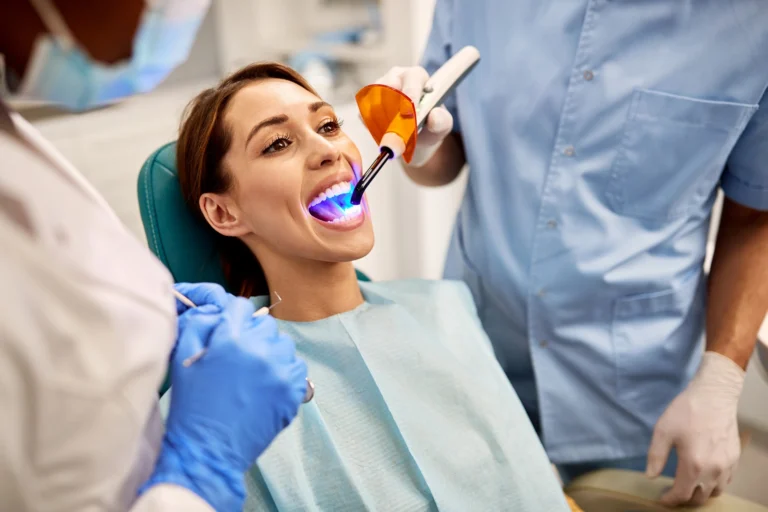
A dental injury at work or school has a way of turning an ordinary day into a scramble. One moment, someone is lifting a box, walking across a wet hallway, leaning into a piece of equipment, or taking an elbow during recess. The next, there is blood, a chipped or missing tooth, and a lot of uncertainty. In those first minutes, people often focus on the obvious shock and pain. What gets missed is how quickly the right response can change the outcome.
Dental injuries do not always look dramatic, and that is part of the problem. A cracked tooth may not bleed much. A tooth that has been pushed out of position may still be hanging on. A blow to the mouth may leave lips swollen enough to hide what is really going on underneath. In a workplace or school setting, there is also the pressure of responsibility. Supervisors, teachers, office staff, coaches, and parents all want to help, but not everyone knows what matters most.
That is where prompt, experienced Dental Emergency Aurora care becomes important. Time matters. So does judgment. Not every injury requires the same response, and not every patient can be treated in exactly the same way. A teenager with a knocked-out front tooth presents one kind of urgency. An adult with a fractured molar and jaw pain presents another. Both need prompt attention, but for different reasons.
When a mouth injury is more than “just a chipped tooth”
People tend to downplay dental trauma if the person is still talking, walking, and not bleeding heavily. That can be a mistake. Teeth are living structures connected to bone, nerves, and the surrounding soft tissue. A hit to the mouth can damage far more than enamel.
A chip can be superficial, involving only the hard outer layer of the tooth. It can also cut deep into dentin, exposing the inner structure and leaving the tooth painfully sensitive to air and temperature. More severe fractures can involve the pulp, where the nerve and blood supply sit. When that happens, treatment becomes more complex, and the risk of long-term complications rises.
Then there are injuries that are not obvious at first glance. Teeth can be loosened, intruded into the bone, shifted sideways, or cracked below the gumline. The lip may be lacerated by a sharp tooth edge. A blow to the front teeth can also affect the jaw joint, especially if the patient complains that the bite feels “off” or it hurts to open and close.
At work or school, these details often get missed because the first response is centered on visible bleeding and reassurance. Reassurance matters, but so does a careful look and fast referral. In my experience, people regret delay far more often than they regret getting an injury evaluated promptly.
The accidents that commonly lead to urgent dental care
Workplaces and schools create their own patterns of injury. In schools, sports collisions, falls on pavement, horseplay, and accidents on playground equipment are common culprits. In workplaces, slips, trips, contact with tools, shelving accidents, blunt trauma in warehouses, and falls from a standing height are frequent causes. Food service settings also see their share of injuries, especially in crowded kitchens where one quick turn can lead to a collision.
The front teeth are especially vulnerable because they take the brunt of an impact. Children and teens often injure the upper incisors. Adults may present with fractured front teeth from a fall, or broken back teeth after clenching during impact. I have also seen injuries where the tooth itself looked manageable, but the surrounding gum and bone trauma made the case far more serious than it first appeared.
One practical point often surprises people: the force needed to damage a tooth is not Dental Emergency Aurora always extreme. A hard edge, awkward angle, or existing restoration can turn what seems like a minor bump into a true dental emergency.
The first few minutes shape the outcome
The most useful thing a bystander can do is stay calm and act with purpose. Panic creates delay. Delay creates worse outcomes. In cases involving a knocked-out permanent tooth, minutes matter. In cases involving deep fractures or displaced teeth, early protection of the area can reduce pain and improve the odds of saving the tooth.
If there is heavy bleeding, the immediate priority is controlling it with clean gauze or cloth and assessing whether the person has other injuries, especially head or facial trauma. If the patient lost consciousness, feels dizzy, vomits, has facial asymmetry, or seems disoriented, medical evaluation may need to come before dental treatment. Dental urgency does not cancel out the need to rule out a broader injury.
For isolated dental trauma, simple actions can help:
- Retrieve any tooth fragment or whole tooth if it can be found quickly and safely.
- Handle a knocked-out tooth by the crown, not the root.
- If the tooth is dirty, rinse it briefly with milk or saline if available, or clean water for only a few seconds.
- Seek immediate dental care, because the ideal window for reimplantation is short.
- Use a cold compress on the outside of the face to help limit swelling.
That short sequence prevents a lot of common mistakes. The biggest one is scrubbing a knocked-out tooth. People understandably want to “clean it up,” but aggressive handling damages the root surface cells that help the tooth reattach successfully. Another common mistake is wrapping the tooth in tissue or letting it dry out. A permanent tooth has a much better chance when it is kept moist.
Baby teeth are different. They usually should not be replanted because doing so can damage the developing adult tooth underneath. This is one reason age matters, and why clear guidance from a dental team is so valuable during a Dental Emergency Aurora visit or phone call.
What to do with a knocked-out tooth
A knocked-out permanent tooth is one of the clearest true dental emergencies. It is also one of the few situations where a bystander’s actions can make a dramatic difference before the patient even reaches the clinic.
If the patient is alert and cooperative, and if you are certain it is a permanent tooth, gentle reinsertion into the socket can be considered. The tooth must be oriented correctly and should slide in without force. If that cannot be done confidently, keeping the tooth moist is the next best option. Milk is often recommended because it is accessible and better than dry storage. Saline is also useful. In some cases, the patient can hold the tooth in the space between the cheek and gums, but only if there is no risk of swallowing it. That option is not suitable for young children or anyone who is distressed.
Timing matters here more than in almost any other routine dental scenario. The longer the tooth stays out and dry, the lower the chance of long-term success. Even so, it is still worth seeking care immediately. Some teeth can be stabilized and monitored, and not every case follows the same trajectory.
What many people do not realize is that reimplanting the tooth is only the beginning. Follow-up often includes splinting, bite adjustment, pulp monitoring, and sometimes root canal treatment. Saving the tooth is possible, but it is not always simple.
Cracked, chipped, and displaced teeth need different decisions
Not every dental injury involves complete avulsion. More often, patients arrive with a broken corner of a front tooth, a tooth that hurts to bite on, or one that appears shifted. Each of these injuries raises different concerns.
A small enamel chip with no sensitivity may be structurally minor, but it still deserves evaluation. The rough edge can cut the lip or tongue, and what looks small may hide a deeper crack. A larger fracture with yellow dentin showing usually causes sensitivity and leaves the tooth vulnerable. If pink or red tissue is visible in the center, the pulp may be exposed, and that moves the case into a more urgent category.
A tooth that has been moved out of position is never just cosmetic. It can indicate ligament damage, socket injury, or alveolar bone trauma. In children and teens, the response may vary depending on root development. In adults, stabilization and radiographic evaluation are often needed. A patient may say, “It only feels a little loose,” but slight mobility after trauma is enough reason to have it assessed promptly.
Back teeth deserve just as much respect. A fractured molar can expose dentin, trap bacteria, and become intensely painful once the initial adrenaline fades. If the fracture extends below the gumline, restoring the tooth becomes more difficult. I have seen cases where a person tried to “wait it out” over a weekend, only to end up with swelling and infection layered on top of the original injury.
Signs that urgent evaluation should not wait
Some situations clearly call for immediate dental or medical attention. Others are easy to rationalize away. These are the signs that should push a school nurse, manager, parent, or injured person to act quickly:
- A permanent tooth is knocked out, loose, or visibly out of place.
- Bleeding does not settle with pressure, or a lip or gum laceration appears deep.
- The patient cannot bite normally, or says the jaw feels wrong.
- Pain escalates over the first hour instead of easing.
- Swelling, numbness, or trouble opening the mouth develops after the impact.
Notice that not all of these signs involve dramatic damage. A “different bite” can signal serious displacement. Numbness can point to nerve involvement. Trouble opening can indicate muscle spasm, joint injury, or fracture. Good triage depends on paying attention to function, not just appearance.
The workplace angle, documentation, timing, and practical realities
Dental injuries at work come with a second layer of stress. The injured person may be worried about reporting requirements, whether they need permission to leave, who pays for treatment, and how the event should be documented. Those concerns are real, but they should not delay urgent care.
From a practical standpoint, early documentation helps everyone. The time of the incident, the mechanism of injury, what symptoms began immediately, and what first aid was provided all matter. If a tooth fragment was recovered or a whole tooth was stored properly, that should be noted. Photos taken soon after the injury can also be useful, especially when swelling changes the appearance over the next few hours.
That said, paperwork should never take priority over preserving a tooth or getting the patient evaluated. In a true Dental Emergency Aurora situation, the first goal is treatment. Documentation can follow, ideally while details are still fresh.
Another wrinkle in workplace injuries is delayed pain. An employee may insist they are fine because adrenaline is carrying them through. Two or three hours later, they may have significant pain when the shock wears off. Supervisors should take oral injuries seriously even if the person initially minimizes them. A same-day dental assessment is often the Dental Emergency Aurora safest call.
School accidents, parents, and the challenge of incomplete information
School injuries are different because the adult making the first decision is usually not the parent. Teachers, coaches, front office staff, and school nurses often work with limited information and a stressed child. The child may not be able to describe whether the tooth is a baby tooth or an adult tooth, whether it hit the floor, or exactly how the fall happened.
That uncertainty changes how the situation should be handled. If there is a chance the injured tooth is permanent, it is safer to treat it urgently. Front permanent teeth often erupt by ages six to eight, and by the teen years most visible front teeth are permanent. But mixed dentition years can be confusing, especially when a baby tooth has not yet exfoliated on schedule.
Parents also tend to underestimate injuries if the child stops crying and says they are okay. Children are resilient, but that resilience can hide symptoms. A child with a luxated tooth may resume talking and playing while the supporting structures remain injured. Hours later the tooth darkens, becomes tender, or starts to move. Prompt dental assessment reduces guesswork and gives the family a realistic plan.
In school sports, mouthguards make a measurable difference in reducing some forms of trauma, though they are not perfect protection. I have seen custom and store-bought guards both help, especially with soft tissue injuries and chipped teeth. They cannot prevent every impact, but they can blunt the force.
What happens during an emergency dental visit
People often imagine an emergency dental appointment as either a quick patch or an extraction. In reality, the visit is usually more deliberate than that. The dentist is trying to answer several questions at once: What exactly is damaged, how urgent is each part of the injury, can the tooth be stabilized today, and what needs monitoring later?
The exam typically includes a visual assessment, mobility testing when appropriate, a bite check, and radiographs. Soft tissues need to be inspected carefully because tooth fragments can become embedded in the lip after a fall or collision. If the patient has swelling, bruising, or facial tenderness, the exam may extend beyond the teeth.
Treatment depends on findings. A sharp broken edge may be smoothed or bonded. A displaced tooth may be repositioned and splinted. A deeply fractured tooth may receive a protective temporary measure to reduce pain until definitive treatment is possible. If the nerve is exposed or later becomes nonvital, root canal treatment may enter the picture. Some teeth can be saved predictably. Others sit in a gray zone where monitoring is part of good care.
This is where experience matters. The best emergency decisions are rarely made by following a single rule. They depend on age, tooth type, root development, fracture pattern, periodontal support, contamination, time since injury, and patient factors such as anxiety and ability to return for follow-up.
Pain control, eating, and the first 48 hours
After the initial treatment, patients want to know what real life will look like for the next day or two. Usually, the first 48 hours are about protecting the area and watching for changes. Soft foods are often the safest choice, especially if the front teeth have been injured or a splint was placed. Biting into apples, crusty bread, pizza crust, or sandwiches can put more force on injured teeth than patients expect.
Cold sensitivity is common after trauma, even when the tooth looks intact. So is soreness when tapping the teeth together. Good oral hygiene still matters, but it needs to be gentle. If the area is tender, people tend to avoid brushing nearby, and that can lead to inflamed gums right when the tissues need to stay as clean as possible.
Pain itself is not always a sign that things are worsening. Some discomfort is expected. What concerns me more is pain that escalates sharply, spontaneous throbbing that disrupts sleep, progressive swelling, or a feeling that the tooth is getting taller or hitting first. Those changes suggest the situation is evolving and should be reassessed.
Why delays create more complicated problems
The common reason people delay care is understandable. They are busy, embarrassed, worried about cost, or hoping the pain will settle. The problem is that dental trauma often changes over time. A crack can deepen. A bruised nerve can die days or weeks later. A displaced tooth can stabilize in the wrong position. A small chip can become a large fracture because the remaining structure is weakened.
I have seen especially difficult cases after “watchful waiting” at home. Someone fractures a front tooth on a Friday, avoids evaluation because it is not severe enough to stop them from working, then wakes up Sunday with significant pain and swelling. The original injury might have been managed conservatively if addressed early. After delay, the treatment is larger, the discomfort is worse, and the final result may be less ideal.
This is not meant to alarm people unnecessarily. Not every injured tooth ends in root canal treatment or extraction. Many recover well. But trauma deserves respect because early appearances can be misleading.
Choosing prompt local care matters
When accidents happen at work or school, convenience and speed count. A local clinic familiar with urgent trauma care can often guide the caller before the patient even arrives. That early phone guidance can mean the difference between a dry tooth wrapped in tissue and a moist tooth carried properly, or between a delayed visit and an appropriate same-day appointment.
For families and employers in need of Dental Emergency Aurora support, the ideal practice is one that can triage quickly, explain next steps clearly, and distinguish between injuries that can be managed in the office and those that also need medical or hospital evaluation. That judgment matters more than polished marketing language. In emergencies, people need calm, practical advice.
The best outcomes usually come from a combination of fast action, realistic expectations, and careful follow-up. Dental trauma is rarely convenient, and it is never pleasant. But with the right response in those first minutes and the right care soon after, many injured teeth can be protected, restored, and kept functional for years. That is the part worth remembering when a workplace stumble or a school accident suddenly becomes much more than a sore lip.
Aspenwood Dental Associates and Colorado Dental Implant Center
2900 S Peoria St Ste C, Aurora, CO 80014, United States
+1 303-731-4037
FAQ About Dental Emergency Aurora
What qualifies as a dental emergency?
A dental emergency is any oral injury or condition that involves severe pain, uncontrolled bleeding, or a potential infection that puts a tooth or your overall health at risk.
Can the ER do anything for a tooth?
AI Overview An emergency room (ER) cannot fix or pull a tooth, perform root canals, or provide long-term dental care, because most ERs do not have dentists on staff.
What is the 3-3-3 rule for tooth infection?
The 3-3-3 rule for a tooth infection or severe toothache is a short-term over-the-counter pain management strategy. It involves taking 600 mg of ibuprofen (typically three 200 mg tablets) 3 times a day for no more than 3 days.
Ends · TYSONQLDR583